Feedback: a prototyper’s testimonial
Making professional workwear is not limited to simply assembling pieces of fabric. It is a subtle balance between listening to the client’s needs, technical expertise and responsiveness. At ALM, this know-how relies on an integrated production chain: from sourcing fabrics & accessories, to design, from pattern making to prototyping, from cutting to assembly, not forgetting marketing & distribution. This way of working enables us to guarantee quality, on-time delivery, flexibility and innovation.
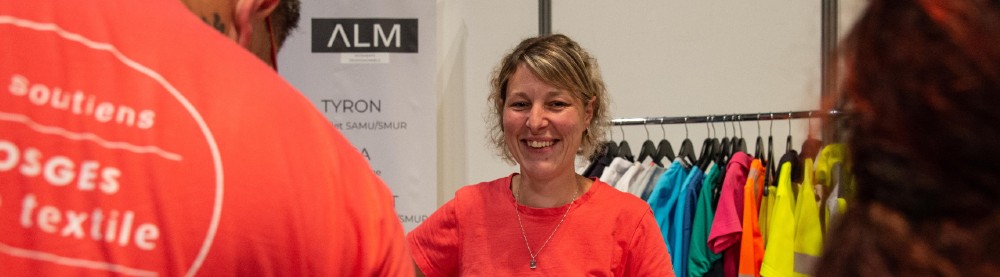
In this post, we take you to meet Camille, one of our textile experts. Through her eyes, discover an essential profession that bridges the creativity of designers, technical rigor and production requirements.
My name is Camille and I have been a seamstress-prototyper for over 15 years. From the Vosges, I am attached to my region, a historic textile-making area. My grandmother and my mother were machinists. Nothing makes me prouder than hearing my daughter tell anyone who will listen that she too would like to make sewing her profession.
1. What led you to do this job?
I have always loved working with my hands and bringing an idea to life. After an experience in making lingerie items, I discovered the world of professional workwear. I liked this sector immediately, because it combines technicality, innovation and usefulness. Creating garments that protect, make movements easier or reflect a company’s image is very rewarding.
2. What exactly does your role as a prototyper at ALM involve?
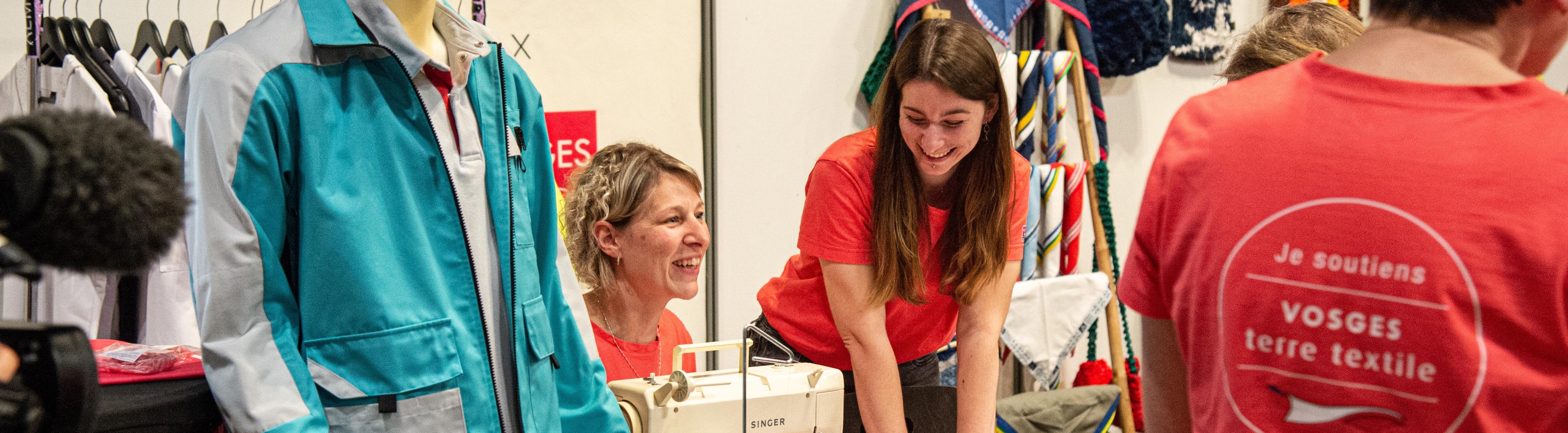
My role is to turn a technical drawing into a real piece. I receive the pattern from the design office and the technical instructions. Then, I create a first model that will serve as the basis for adjustments. It is work that is both precise and creative: I must comply with the specifications, but also anticipate comfort and manufacturing constraints.
3. What are the key steps in creating a prototype of professional workwear?
It all starts with studying the client’s need and choosing suitable materials: hard-wearing, breathable, easy-care fabrics… Then, we do the pattern making and cutting. Making the prototype allows us to test the volumes, finishes and the strength of the seams. Finally, we organize a fitting to validate the cut and adjust the details. This phase is crucial, because it determines the quality of the final product : a moment that is both exhilarating and stressful.
4. What skills are essential to be a good prototyper in this sector?
Above all, you need to be rigorous and meticulous, because a small detail can change the comfort of a garment entirely. Patience is also essential, because a prototype often requires several adjustments. Finally, you have to enjoy working as part of a team: we exchange a lot with the design office team, purchasing, sales to achieve the best result.
Thanks to Camille’s work and that of the entire sewing workshop, each ALM professional garment is tested, adjusted and validated before it goes into production. It is this high standard that guarantees our clients outfits suited to their needs, combining ergonomics, durability and aesthetics.
Feel free to send unsolicited applications to the attention of ALM’s human resources department.