Physiotherapist outfit
-
Physiotherapist blouses
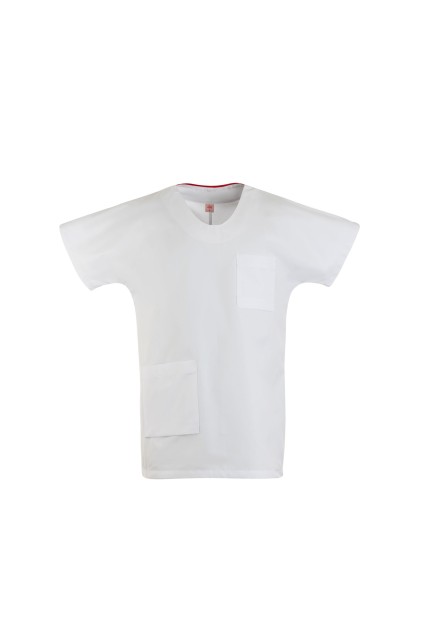
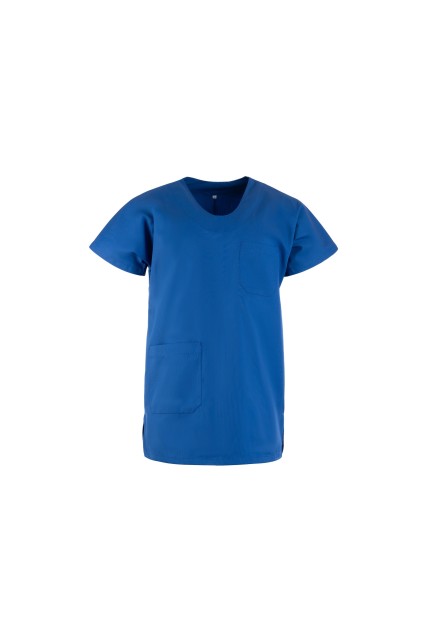
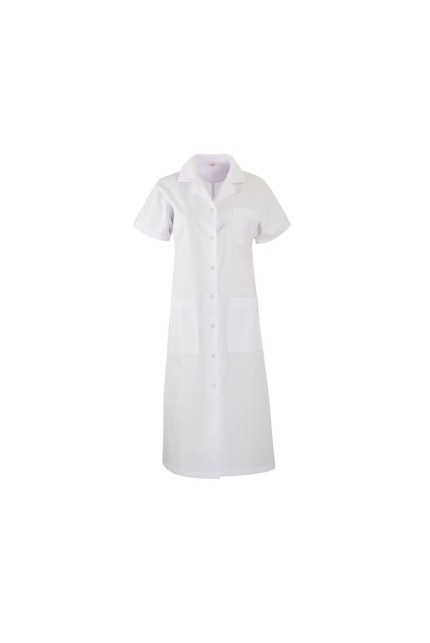
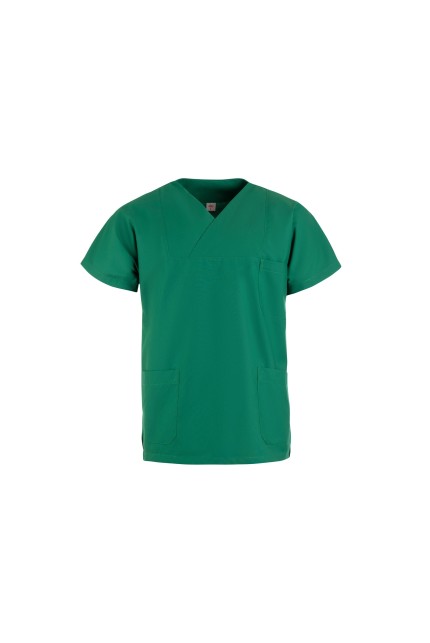
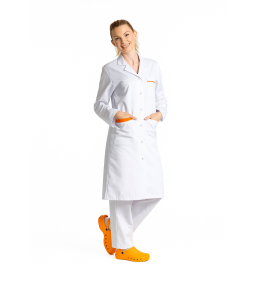
Are you looking for physiotherapist gowns for your staff or for yourself? Here are some key points to help you make the right decision: Comfort and mobility Physiotherapists are o en on the move and need to be able to move freely during treatment. A blouse with an ergonomic, slightly loose fit is ideal for offering total freedom of movement while remaining professional. Breathability and lightness Thermal comfort is also an important factor. Choose blouses made from light, breathable materials such as 180 to 215gr/m(2) PC 65/35 poly cotton, which allow the skin to breathe, even on long, active days. Be careful, however, about the transparency of certain light, low-weight fabrics. Practicality and functional pockets Physiotherapists need space to store accessories such as bands, tools or prescription sheets. Most ALM gowns have functional, practical and accessible pockets. Easy to maintain Physiotherapist gowns must withstand frequent washing. The fabrics used must be strong, but also easy to care for, to ensure good hygiene and a neat appearance on a daily basis. The outfits suggested by ALM are made from fabrics that can withstand frequent washing at high temperatures (over 60°C), Professional, modern design Although it is workwear, the physiotherapist's coat must reflect the seriousness and competence of the professional. ALM offers gowns that are both modern and elegant, with refined cuts, available in a wide range of colours & adapted to the requirements of the sector. Explore our different models of physiotherapist gowns for professionals. With ALM, the specialist in professional clothing, you can benefit from optimum comfort and unrivalled performance to help you excel with your customers and staff.
-
Physiotherapist trousers
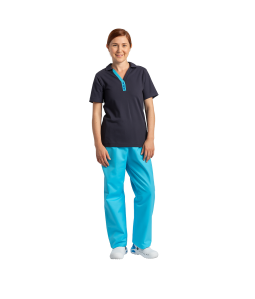
Are you looking for physiotherapist trousers for your staff or for yourself? Here are some key points to help you make the right decision: Comfort and freedom of movement Comfort is a top priority for a physiotherapist who spends a lot of time bending over, moving around and handling patients. Look for trousers with breathable fabrics, such as PC65/35 poly cotton, to ensure comfort throughout the working day. ALM recommends lightweight fabrics of 180 to 215gr/m2. An ergonomic cut, particularly models with an elasticated waist or adjustable waist with laces, is preferable for optimum comfort. Practicality and pockets Physiotherapists o en need to carry tools or accessories within easy reach, such as pens, notebooks or bandages. Trousers therefore need to be equipped with practical, wellplaced pockets that offer sufficient storage without impeding movement. Durability and resistance Given the physical nature of a physiotherapist's work, trousers need to be made from a hard-wearing fabric. Durable materials are o en chosen for their strength and ability to maintain their shape over time. Easy to maintain Trousers must be able to withstand many washes while retaining their colour and texture. Choose models that are not only stain-resistant but also easy to care for. Good resistance to common cleaning products is also a major advantage. ALM's trousers are designed for industrial care, with washing conditions that can exceed 60°C. Professional aesthetics Although functional aspects are a priority, the design of physiotherapist trousers must also be carefully considered. ALM offers a range of trousers that are both practical and aesthetically pleasing, with elegant finishes and a wide range of colours, while respecting the dress codes of the medical environment. Explore our range of physiotherapist trousers for professionals.
-
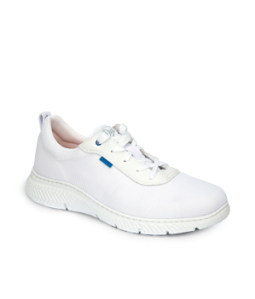
Physiotherapist shoes
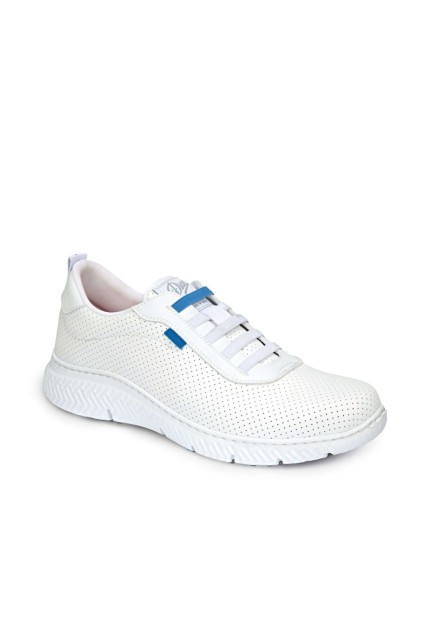
Are you looking for physiotherapist shoes for your staff or for yourself? Here are some key points to help you make the right decision: Comfort and cushioning Physiotherapists spend many hours on their feet, constantly moving and sometimes in uncomfortable positions. That's why it's crucial that shoes have ergonomic insoles with good cushioning to reduce the pressure on feet and joints. Optimum comfort also helps prevent fatigue. Support and holding Arch support is essential, especially for healthcare professionals who travel frequently. Footwear should provide good support for the foot, particularly in the heel and plantar arch, to prevent pain associated with prolonged posture. In addition, models with adjustable straps or fastenings provide better foot support. Breathability and moisture management Physiotherapists are o en exposed to working conditions that cause excessive sweating, particularly in hot environments or a er physical activity sessions. It is therefore important to choose footwear made from breathable materials (such as perforated leather or technical textiles) to ensure good air circulation and keep feet dry. Security Shoes must be slip-resistant to prevent falls. Lace-up trainers, velcro shoes or clogs should protect your feet from dirt, odours and the risk of slipping. Make sure they offer good stability throughout the day by choosing models with non-slip soles. Choose lightweight trainers made from breathable fabric or one-piece EVA clogs certified to NF EN ISO 20347 safety standards (work shoes without toecaps). Design and customisation Footwear must be both professional and aesthetically pleasing. While comfort is paramount, good design is also important for physiotherapists who want to present a professional image. ALM offers models in a range of colours, patterns and styles to suit personal preferences while maintaining professional standards. Explore our different models of physiotherapist footwear for professionals. With ALM, the specialist in professional clothing, you can benefit from optimum comfort and unrivalled performance to help you excel with your customers and colleagues.
-
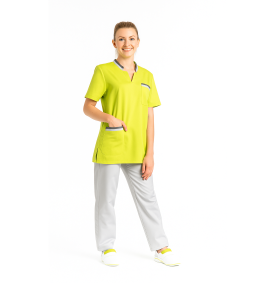
Physiotherapist tunics
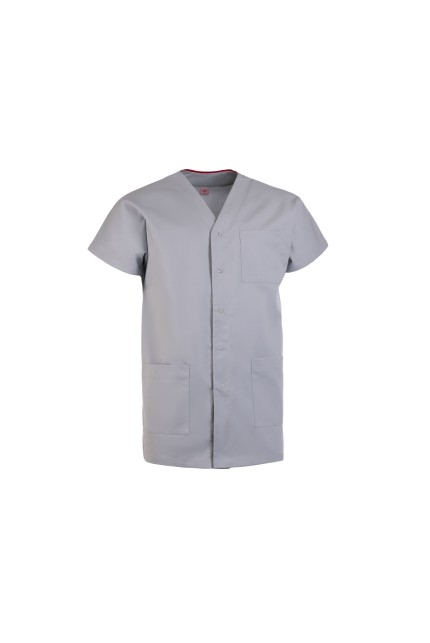
Are you looking for physiotherapist tunics for your staff or for yourself? Here are the key elements to help you make your decision: Comfort and fit The tunic must be comfortable and offer a snug fit, allowing great freedom of movement while remaining loose enough not to impede movement during physical handling. Models with breathable fabrics, such as PC65/35 poly-cotton, are recommended to ensure comfort throughout the working day. Lightweight, breathable fabric The choice of fabric is crucial for a physiotherapist's tunic. It must be light, breathable and able to manage moisture, especially during physical sessions. The light, breathable models offered by ALM are designed for prolonged use without feeling overheated. We recommend lightweight fabrics weighing between 180 and 215g/m2. However, be careful about the transparency of certain light, low-weight fabrics. Easy to maintain A physiotherapist's tunic must be resistant to frequent washing, disinfectants and stains, and retain its appearance a er several uses. It is therefore advisable to choose fabrics that crease easily and dry quickly a er washing. Practicality and pockets Tunics should be functional, with pockets deep enough to store small tools and accessories. Look for models with pockets that are easily accessible and secure, without detracting from the aesthetics of the garment. Aesthetics and professional image A well-designed tunic helps to convey a professional image. ALM offers modern, elegant designs in a wide range of colours and styles. This allows physiotherapists to feel comfortable and confident in their clothing while respecting the requirements of their profession. Branding (screen printing or embroidery) can be used to add a name or logo for quick identification. Explore our different models of physiotherapist tunics for professionals. With ALM, the specialist in professional clothing, you can benefit from optimum comfort and unrivalled performance to help you excel with your customers and staff.