Industry-crafts-construction
-
Work clothes
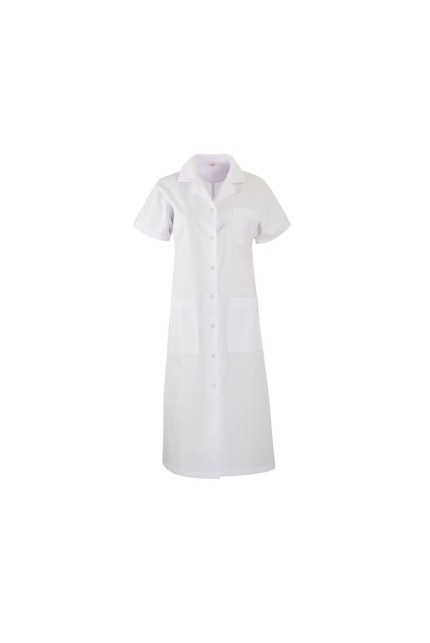
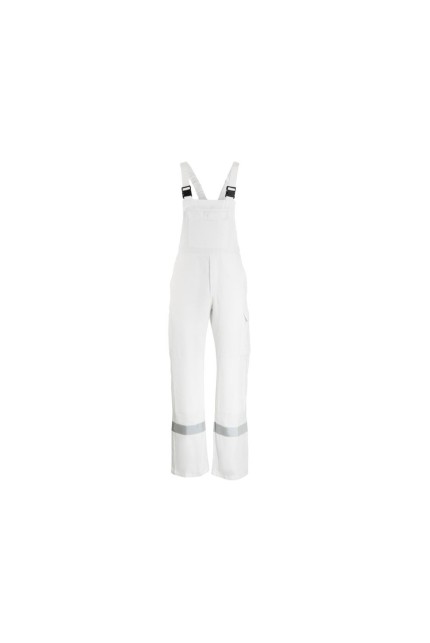
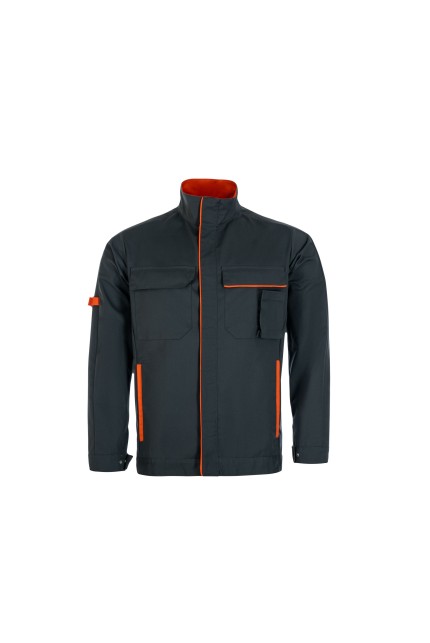
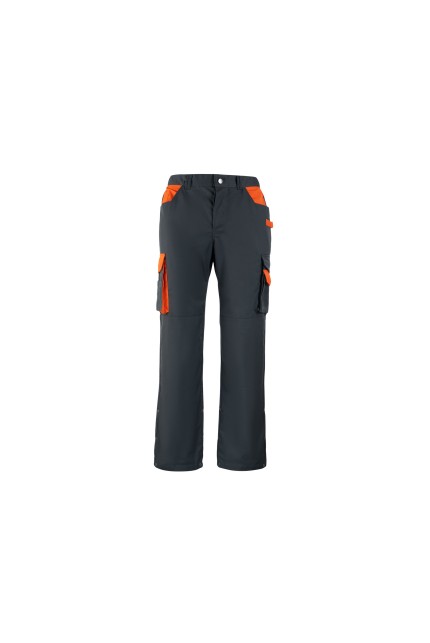
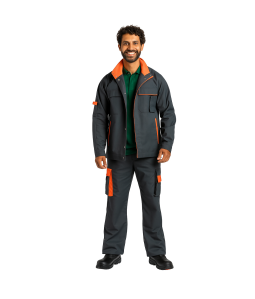
Need advice on selecting workwear for your professional needs? Here are the essential criteria to guide your choice: Functionality Clothing must be designed to facilitate movement and offer pockets and storage adapted to the tools used by professionals. For example, for the building trades, trousers with reinforced knees and multiple pockets are essential. Security Clothing must comply with current standards, particularly in terms of visibility (with reflective strips for high-risk areas) or protection against bad weather or dangerous substances. For example, fire-resistant clothing is essential for workers exposed to fire. Comfort Fabrics must be breathable, lightweight and adapted to the season, while being robust enough to withstand wear and tear. Clothes must allow perspiration to evacuate properly and offer an ergonomic fit, guaranteeing users' well-being throughout the day. Durability Workwear must be designed to last, even under conditions of intense use. The quality of materials and finishes, such as reinforced seams, is a key indicator of product longevity. Discover our full range of workwear: work bottoms (trousers, slacks, shorts or Bermuda shorts), overalls (overalls) or work tops (shirt, waistcoat, parka, fleece, so shell, sweatshirt, apron, t-shirt, polo shirt, jacket or blouson). With ALM, the professional clothing manufacturer, you can find the comfort and performance you need to give your best to your customers or colleagues.
-
By profession
-
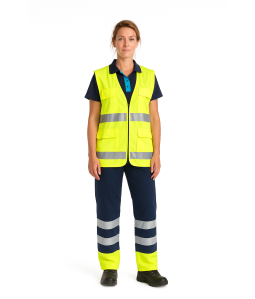
PPE clothing
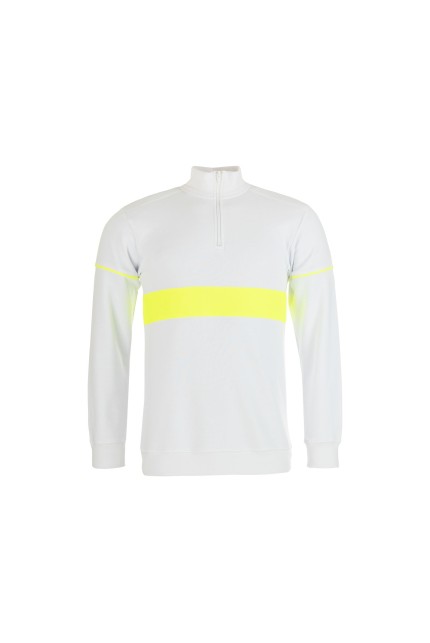
Do you need advice on selecting personal protective clothing (PPE) for your professional needs? Here are the essential criteria to guide your choice: Adaptability to the business sector It is essential to offer clothing adapted to different sectors (construction, industry, health, etc.). Each sector presents its own particular risks, and PPE must be chosen with these specific features in mind. For example, cut-resistant clothing is essential in the timber industry. Comfort and ergonomics User comfort is an essential criterion. Well-fitting, breathable and flexible garments increase workers' adherence to wearing their PPE regularly. Various sizing options and adjustments (such as adjustable cuffs) are also crucial to ensuring good ergonomics. Durability and quality of materials The robustness of the materials used guarantees the longevity of the garments, even in difficult conditions. Tear-, abrasion- and weather-resistant fabrics are preferable for demanding sectors. Versatility and aesthetics Offering PPE that is versatile, can be used in different conditions and is aesthetically appealing can encourage its use. Workers may prefer clothing that combines protection, functionality and style. Compliance with standards PPE clothing must comply with the standards in force (in particular NF EN ISO 17353, EN 20471, EN 340, EN 342, EN 343, EN 11611, EN 11612, EN 14116, EN 14404, EN 1149 or EN 381 for high visibility, cold, bad weather, welders, heat, flame, mechanical risks, antistatic protection or chainsaws). This also applies to footwear (such as EN 20345 S1P, S2 or S3, EN 20346 P1, P2 or P3 or EN 20347 O1, O2 or O3, for puncture resistance (P), hydrocarbon resistance (FO) or other). Compliance with these standards guarantees adequate protection against the specific risks to which workers may be exposed. Discover our full range of PPE clothing: high-visibility clothing (shorts, Bermuda shorts but also waistcoats, chasuble, softshell, sweatshirt, tee-shirt, polo shirt, jacket, blouson or others) or cold PPE (trousers, overalls, overalls but also parka, fleece or others). With ALM, the professional clothing manufacturer, you can find the comfort and performance you need to give your best to your customers or colleagues.
-
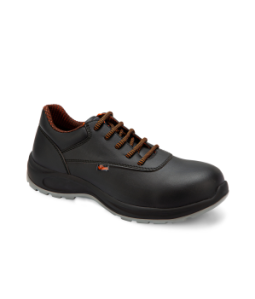
Safety shoes
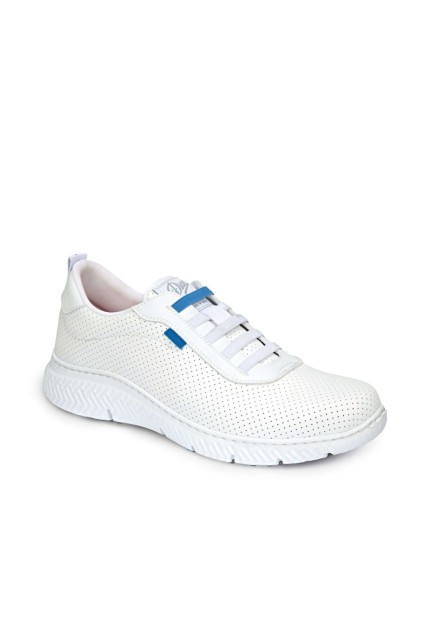
Do you need advice on selecting safety footwear for your professional needs? Here are the essential criteria to guide your choice: Security The first criterion to consider is the protection offered by the footwear. According to current safety standards (NF EN ISO 20345: 200 Joules safety footwear: EN 20346: 100 Joules protection), footwear can offer protection against impact, perforation and slipping. Steel or composite toe caps (SB or PB) protect the toes and are a fundamental requirement. Some of our models meet additional requirements: anti-puncture (P), anti-slip (SRA or SRB) or hydrocarbon-resistant (FO) soles: insulating (I), conductive (C) or antistatic (A) footwear: malleolar (AN) or metatarsal (M) protection: insulation against cold (CI) or heat (HI or HRO): absorption-resistant (E) and water penetration-resistant (WR or WRU) or cut-resistant (CR) uppers... Comfort A working day can be long and demanding. So it's crucial that footwear is ergonomic and adapted to the shape of your feet. The choice of breathable, lightweight materials, good shock absorption and adequate arch support all improve comfort and reduce fatigue. Durability Work shoes must be designed to withstand tough conditions. Robust materials and reinforced seams guarantee long life, even in the most demanding environments. Adaptability Finally, it is essential to choose footwear that is appropriate for the sector in which you work. For example, construction jobs require footwear with increased protection against knocks and punctures, while catering jobs require non-slip, oil-resistant footwear. Discover our full range of footwear: safety shoes (s1P, s2, S3 or others). With ALM, a distributor of textile products for professionals, you can find the comfort and performance you need to give your best to your customers or colleagues.